Hero background
Build a subtle, layered hero backdrop that stays performant.
Learn more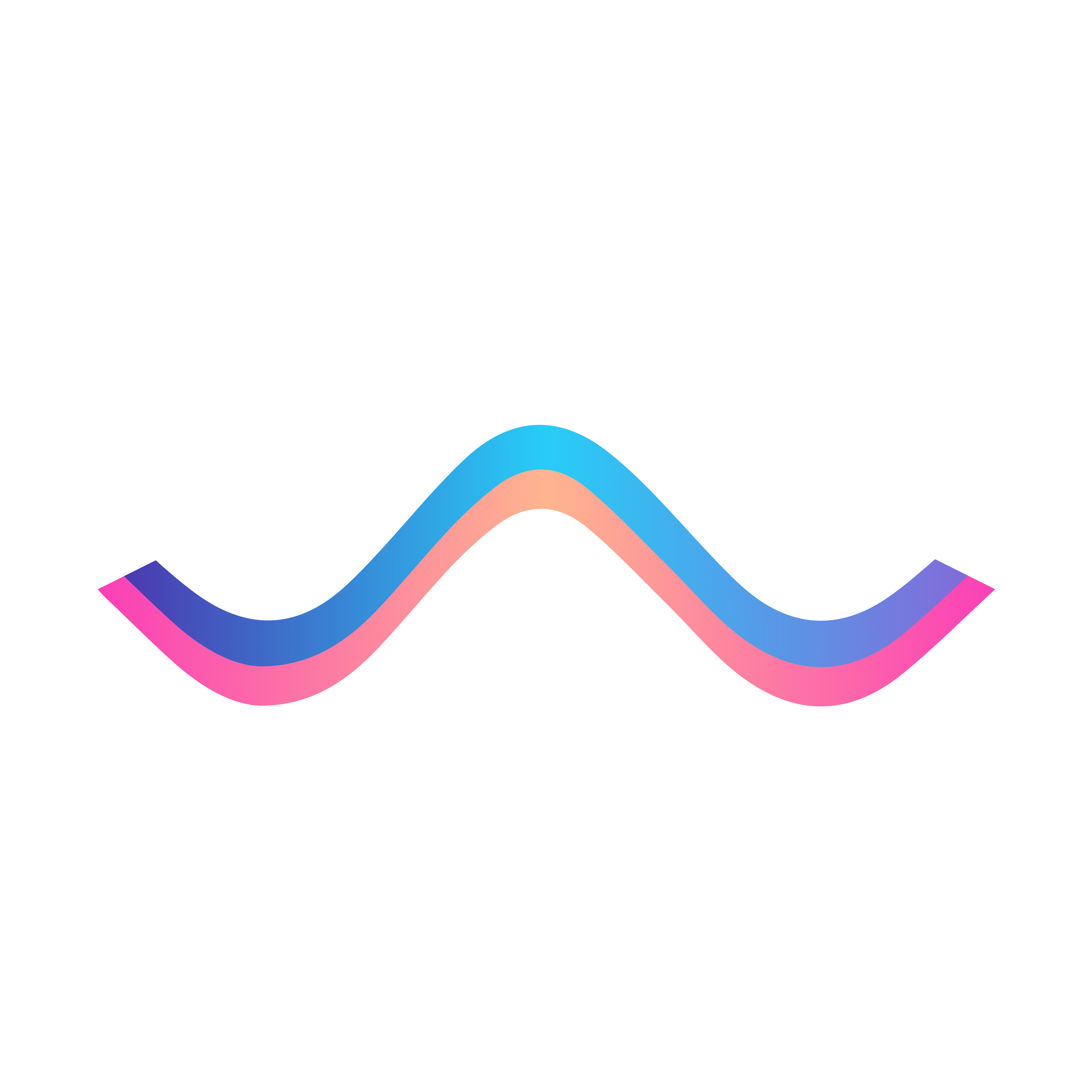 Sine Wave Generator
Short, focused recipes. Built for shipping.
Build a subtle, layered hero backdrop that stays performant.
Learn moreTie wave amplitude and wavelength to scroll position.
Learn moreUse WebAudio input to drive intensity and color.
Learn moreBalance memory and clarity for battery, balanced, and quality modes.
Learn moreAtmosphere, not distraction.
const gen = new SineWaveGenerator({
  el: "#hero",
  autoResize: true,
  waves: [
    { amplitude: 16, wavelength: 220, speed: 0.6 },
    { amplitude: 10, wavelength: 160, speed: 0.4 }
  ]
});

gen.start();Give the page depth and calm motion without competing with copy.
Two slow waves create parallax at low contrast. The eye reads the motion as atmosphere, not content.
autoResize: true for responsive headers.Motion that tracks progress.
window.addEventListener("scroll", () => {
  const progress = scrollY / (docHeight - innerHeight);
  wave.amplitude = 10 + 30 * progress;
  wave.wavelength = 140 + 240 * (1 - progress);
});Let users “feel” progression without extra UI.
Amplitude increases while wavelength tightens, so the motion intensifies naturally as users move through the page.
requestAnimationFrame.Sound in, motion out.
const analyser = audioCtx.createAnalyser();
analyser.fftSize = 128;
// Map frequency bins to wave intensity.Turn audio energy into visual rhythm.
FFT bins provide a stable amplitude envelope that maps cleanly to wave height and color.
Fidelity when you want it. Battery when you need it.
gen.setQualityPreset("balanced");
gen.setQualityPreset("quality");
gen.setQualityPreset("battery");Keep visuals consistent across devices with one switch.
Pixel ratio controls the render buffer size, which is the biggest cost driver for canvas memory and fill rate.
balanced as the default.battery on mobile or low power.quality for hero moments.